Welcome to Shibuya Crossing, the world’s busiest and most mesmerizing pedestrian intersection. Located in the vibrant heart of Tokyo, this iconic spot captures the spirit of Japan’s capital like nowhere else. Every few minutes, thousands of people surge across the streets from every direction, creating a perfect choreography of motion and color. Whether you’re visiting Japan for the first time or returning to explore its energy again, Shibuya Crossing is a moment you’ll never forget.
Before we dive in, make sure to grab your Free Shibuya Travel Pack (PDF) — it includes a printable checklist, local map, and insider money-saving tips to help you explore Tokyo like a pro. You can download it right from the link in this article.
In this guide, we’ll uncover everything you need to know about Shibuya Crossing: what makes it special, the best times to visit, how to see it from above, and what to explore nearby. We’ll also share travel tips, hotel recommendations, and a free downloadable Shibuya Travel Pack to help you plan your trip with ease.
What Is Shibuya Crossing?
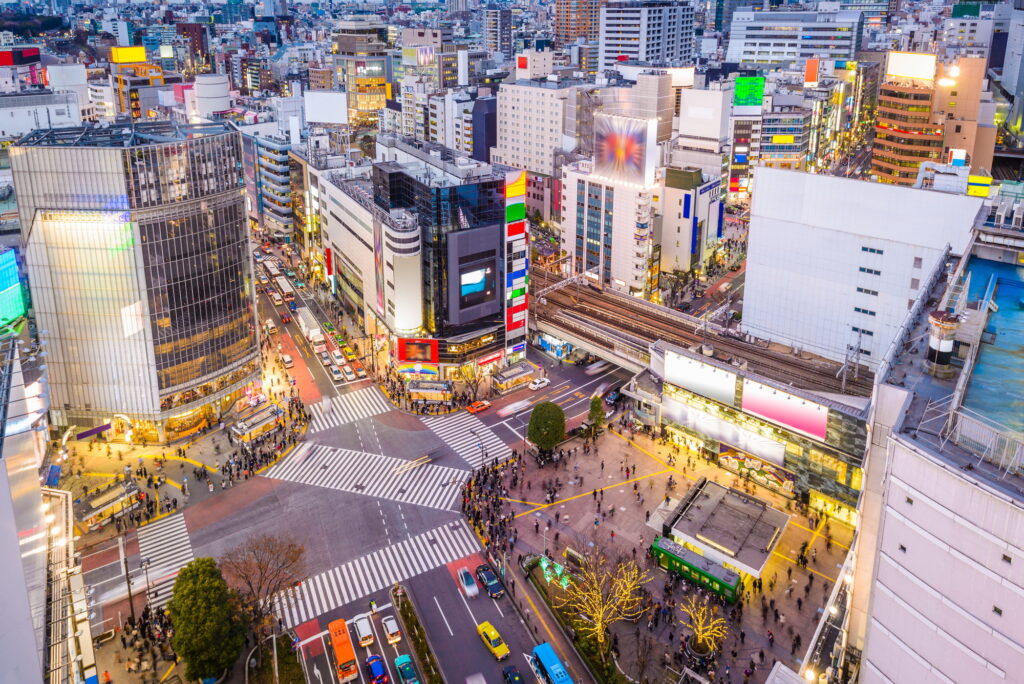
Shibuya Crossing is located directly outside Shibuya Station’s famous Hachiko Exit, in Tokyo’s bustling Shibuya district. Often called “The Scramble,” it’s known for being the busiest pedestrian crossing in the world. When the traffic lights turn red, all vehicles stop, and waves of people cross the intersection simultaneously from every corner. It’s a spectacular sight that represents Tokyo’s fast-moving, futuristic lifestyle.
The crossing became a global symbol of Japan’s urban energy and efficiency. It has appeared in countless movies, advertisements, and travel documentaries. Watching the lights flash, billboards flicker, and people flow in perfect rhythm feels like stepping into a living movie scene.
A Brief History of Shibuya Crossing
Shibuya Crossing first emerged in the late 1970s, during Tokyo’s rapid modernization boom. The area around Shibuya Station grew into one of the city’s most important shopping and entertainment districts, attracting young people, fashion enthusiasts, and creatives. Over time, the crossing became more than a traffic hub—it became a stage for Tokyo’s culture, technology, and style.
As digital billboards and neon signs filled the skyline, Shibuya transformed into a visual spectacle that perfectly captured Japan’s balance between tradition and innovation. Today, the crossing stands as a symbol of Tokyo’s pulse—always moving, always alive.
Best Time to Visit Shibuya Crossing
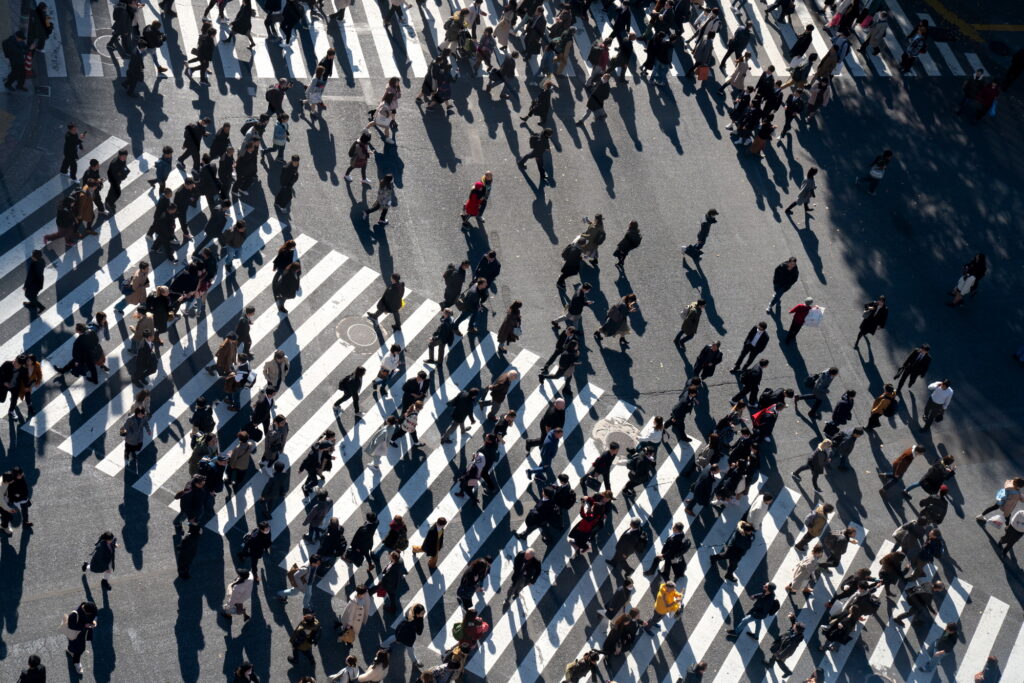
The best time to visit Shibuya Crossing depends on the experience you’re after. Early mornings are calm, with fewer crowds and soft daylight that’s perfect for photography. Afternoons bring the city’s daily rhythm to life, while evenings deliver the most breathtaking views—flashing lights, glowing billboards, and the electric hum of Tokyo nightlife.
If you want cinematic photos or videos, visit after a light rain. The wet streets reflect neon lights, turning every frame into a dazzling mirror of color. For photographers and travel content creators, this is one of the most magical sights in the world.
Nearby hotels and restaurants make it easy to enjoy the area late into the night. Consider staying in Shibuya if you plan to explore Tokyo’s nightlife and pop culture.
Best Viewpoints of Shibuya Crossing
To truly appreciate Shibuya Crossing, see it from above. Several nearby locations offer stunning panoramic views:
Shibuya Sky: Located at the top of the Shibuya Scramble Square building, Shibuya Sky is the most popular observation deck in the district. From 229 meters above the city, you’ll get an unobstructed view of the crossing and Tokyo’s skyline. Visit during sunset for unforgettable photos.
Magnet by Shibuya 109: The rooftop “MAG’s PARK” provides a direct view of the intersection and is perfect for quick snapshots without the ticketed crowds.
Starbucks Tsutaya (2nd Floor): One of the most famous coffee shops in Japan, it overlooks the crossing from huge glass windows. Arrive early to get a seat—it’s one of the most photographed cafés in Tokyo.
Shibuya Scramble Square: A modern shopping complex offering restaurants, cafes, and premium rooftop access where you can capture the scale of Shibuya’s movement in style.
Things to Do Around Shibuya Crossing
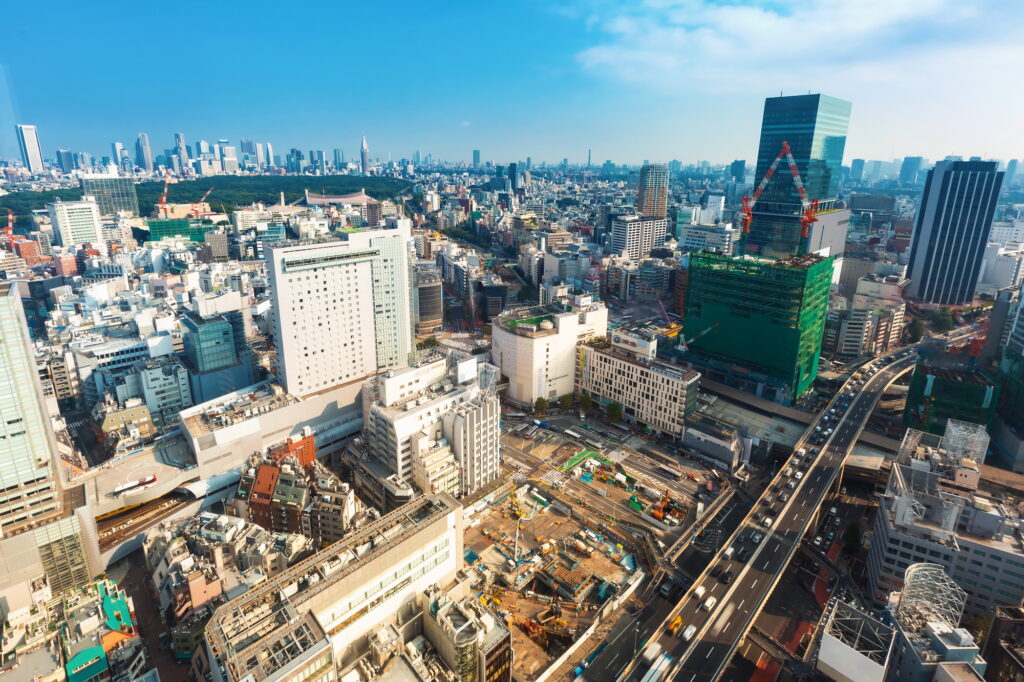
There’s much more to Shibuya than its iconic intersection. Just steps away, you’ll find trendy shops, rooftop parks, and cultural landmarks that make this district a must-visit for any traveler.
Shibuya Sky: For panoramic views of Tokyo, head to Shibuya Sky. The observation deck offers 360-degree views of the city’s skyline, and on clear days you can even spot Mount Fuji in the distance.
Center Street (Shibuya Center-gai): This vibrant pedestrian street is packed with fashion boutiques, music stores, and casual dining spots. It’s the heart of youth culture and one of the best places to experience Tokyo’s street life.
Miyashita Park: A unique blend of modern design and green space, Miyashita Park features rooftop gardens, cafes, and art installations. It’s an ideal place to relax and escape the rush while staying close to the action.
Hachiko Statue: Don’t miss the famous bronze statue of Hachiko, Japan’s loyal dog. It’s one of Tokyo’s most beloved landmarks and a popular meeting point for locals and tourists alike.
Photography and Video Tips
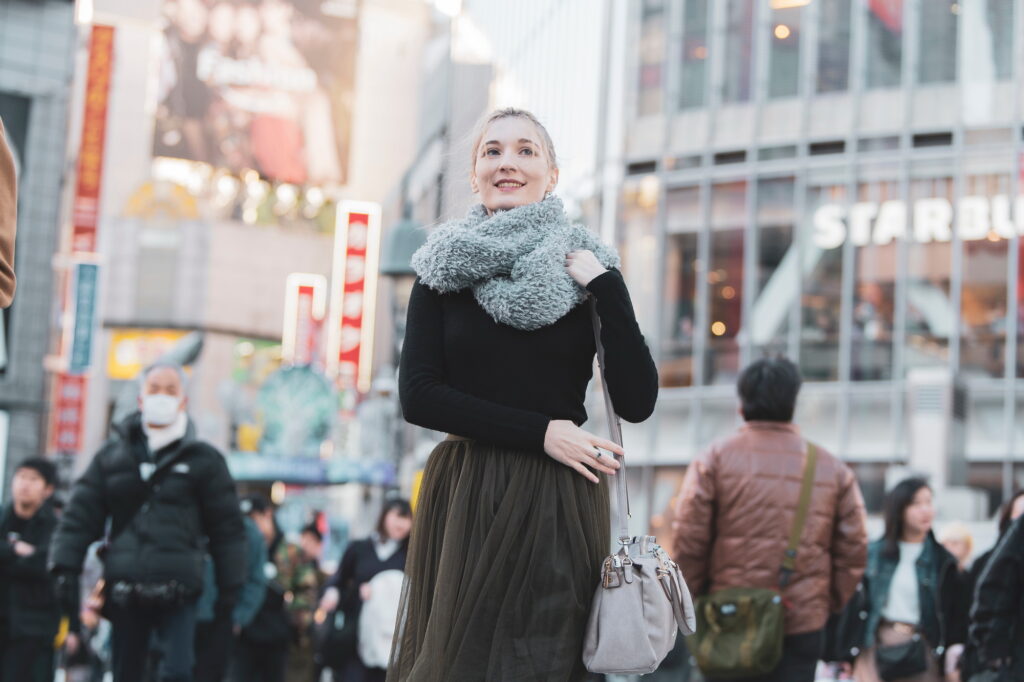
For photographers and filmmakers, Shibuya Crossing is a dream location. To capture the perfect shot, stand at the edge of the crossing during peak hours when all directions light up. Bring a tripod for night photography or experiment with slow shutter speeds to create motion blur effects.
If you prefer aerial shots, visit Shibuya Sky or Magnet by Shibuya 109 for high-angle perspectives. After dark, switch to manual settings to balance the exposure from the bright billboards and street reflections. Shibuya is especially photogenic during light rain or misty evenings when the reflections amplify its cinematic beauty.
How to Get to Shibuya Crossing
Shibuya Crossing is easy to reach from anywhere in Tokyo. Simply take the JR Yamanote Line, Tokyo Metro Ginza Line, or Hanzomon Line to Shibuya Station. Exit through the Hachiko Exit, and you’ll find yourself right in front of the crossing.
If you’re using public transport for multiple days, consider getting a Japan Rail Pass or a Suica/Pasmo card for convenient travel across the city. Shibuya is also well connected to nearby attractions like Harajuku and Omotesando, both just one or two stations away.
Where to Stay Near Shibuya Crossing
Staying near Shibuya Crossing lets you experience Tokyo’s nightlife and shopping scene right at your doorstep. Here are some of the best options for different budgets:
The Millennials Shibuya: A stylish, modern capsule hotel with smart pods, coworking areas, and an unbeatable location. Perfect for digital nomads and solo travelers.
Shibuya Stream Excel Hotel Tokyu: A sleek, upscale hotel directly connected to Shibuya Station, offering city views and luxurious comfort.
Shibuya Granbell Hotel: A boutique hotel with artistic interiors and easy access to major attractions.
All of these accommodations are within walking distance of the crossing and surrounded by restaurants, shopping centers, and nightlife venues.
Shibuya Travel Tips + Free Travel Pack
Before you explore Shibuya, here are a few practical tips to make the most of your visit. Use contactless payment cards or digital wallets—Tokyo is increasingly cashless. Visit in the late afternoon or early evening to enjoy the transition from daylight to neon night. Respect pedestrian signals when crossing, and keep to the left side of the walkway to maintain flow.
To make your trip even easier, download your Free Shibuya Travel Pack (PDF). Inside, you’ll find a printable checklist, a detailed map of the area, and insider money-saving tips to help you explore Tokyo confidently. Get your free copy using the download link below.
Conclusion – The Pulse of Tokyo
Shibuya Crossing is more than a landmark—it’s a living experience that captures the essence of Tokyo. Standing in the middle of the scramble as thousands of people move around you feels both overwhelming and magical. The lights, sounds, and rhythm remind you that Tokyo is a city in constant motion.
If you’re visiting Japan, make sure to add Shibuya Crossing to your itinerary. And before you go, don’t forget to download your Free Shibuya Travel Pack — your all-in-one guide with a printable checklist, map, and smart travel tips to make your Tokyo adventure unforgettable.
Take a deep breath, step into the flow, and feel the pulse of the city beneath your feet. Once you’ve crossed Shibuya, Tokyo will stay with you forever.