Budgeting is one of the most powerful skills you can learn, yet it’s also one of the most misunderstood. Many people associate budgets with restriction, stress, or constant failure. In reality, a good budget does the opposite—it gives you clarity, control, and confidence over your money.
This guide breaks budgeting down into simple, realistic steps you can actually stick to. Whether you’re just starting out, trying to save more, or managing an irregular income, these budgeting tips will help you build a system that works in real life—not just on paper.
How to use this guide: You can read it from top to bottom, or jump to the section that fits your situation. Each section links to a detailed guide if you want to go deeper.
What Budgeting Really Means (And Why Most People Get It Wrong)
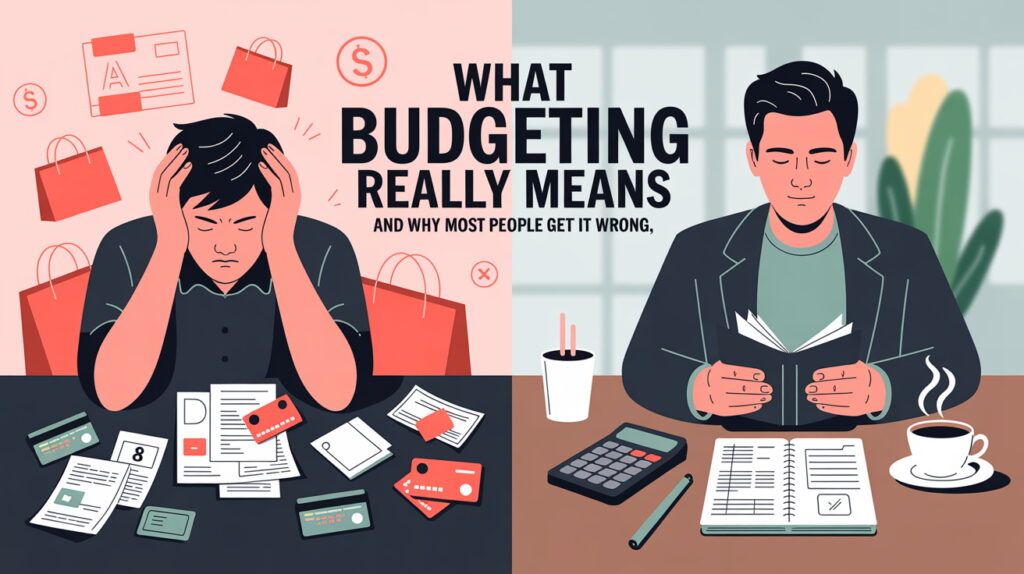
At its core, budgeting is simply deciding what your money should do before it disappears. It’s not about tracking every cent perfectly or cutting all enjoyment from your life. Those approaches usually fail because they’re too rigid and exhausting.
Most people struggle with budgeting for three main reasons:
- They confuse budgeting with restriction: cutting everything “fun” leads to burnout and rebound spending.
- They try to be too detailed too fast: dozens of categories make budgets hard to maintain.
- They never review or adjust: a budget that isn’t checked regularly quickly becomes unrealistic.
A better approach is to treat your budget as a living plan. You set initial targets, review them weekly, and adjust as life happens. Flexibility is not a failure—it’s part of the process.
Budgeting Tips for Beginners (Quick Start)
If you’re new to budgeting, your goal should be simplicity and consistency—not perfection. A beginner budget should take less than 30 minutes to set up and less than 10 minutes per week to maintain.
The fastest way to start is:
- Calculate your monthly take-home income
- List fixed bills (rent, utilities, subscriptions)
- Create 3–5 variable categories (groceries, transport, personal spending)
- Add a small buffer category for surprises
This “first draft” budget will not be perfect—and that’s okay. You’ll refine it as you go. For a complete step-by-step beginner setup, see the full guide here:
Budgeting Tips for Beginners: How to Start Without Feeling Overwhelmed
Monthly Budgeting Tips That Keep You on Track
Many people give up on budgeting because they only look at their numbers once a month—usually when it’s too late to fix anything. Monthly budgeting works best when you combine planning with short, regular check-ins.
A sustainable monthly routine looks like this:
- Start of the month: set category targets and schedule savings
- Weekly: quick 5–10 minute check-ins to see what’s on track
- Mid-month: adjust categories if needed
- End of month: review and improve next month’s plan
This rhythm keeps your budget realistic and prevents end-of-month stress. If you want a detailed checklist and routine, use this guide:
Monthly Budgeting Tips: How to Stay Consistent Every Month
Budgeting Tips to Save Money Fast
Saving money doesn’t usually require extreme measures. The biggest gains often come from fixing a few high-impact areas rather than cutting dozens of small expenses.
Focus first on:
- Subscriptions you don’t use regularly
- Grocery spending without a plan
- Impulse purchases driven by convenience
- Spending that isn’t aligned with your priorities
Once those leaks are under control, automation becomes your best friend. Even small automatic savings transfers add up over time and remove the need for willpower.
For practical, step-by-step strategies, see:
Budgeting Tips to Save Money: Practical Ways to Cut Costs Fast
Budgeting Tips for Different Lifestyles
No single budgeting method works for everyone. Your income structure, responsibilities, and goals all affect what kind of budget will actually stick.
Use a budgeting approach tailored to your situation:
- Budgeting Tips for Students — simple weekly limits and semester planning
- Budgeting Tips for Families — shared categories and sinking funds
- Budgeting Tips for Freelancers — income averaging and tax buckets
- Budgeting Tips for Low Income — essentials-first stability
- Budgeting Tips Paycheck to Paycheck — per-paycheck planning
Tools That Make Budgeting Easier
The best budgeting tool is the one you’ll actually use. Some people love automation, others prefer full control. There’s no “correct” choice—only what fits your habits.
- Budgeting Tips Using Apps — fast setup and alerts
- Budgeting Tips Using Excel — customizable spreadsheets
- Budgeting Tips Using Notion — dashboard-style planning
Many people even combine tools—for example, planning in a spreadsheet and tracking spending in an app.
Common Budgeting Mistakes to Avoid
- Making the budget too strict: always include personal or fun spending
- No buffer category: surprises are guaranteed—plan for them
- Ignoring irregular expenses: use sinking funds
- Never reviewing: budgets need regular check-ins
Remember: adjusting your budget is a sign of progress, not failure.
Free Budgeting Resources
If you want a quick win, start with a simple template and focus on consistency for the first 30 days. You can refine everything later.
Free Download: Budget Planner + Monthly Checklist (printable + spreadsheet).
Once you’ve chosen a starting point, the most important step is action. A simple budget used consistently will always beat a perfect budget you never follow.
Frequently Asked Questions
What are the best budgeting tips for beginners?
Start simple: calculate take-home income, list fixed bills, set 3–5 spending categories, add a buffer category, and do a 10-minute weekly check-in. Your first budget should be a draft you improve over time.
What is the easiest budgeting method?
The easiest method is a simple category budget: fixed bills, essentials, savings, and fun money. It’s easy to maintain and works well until you’re ready for a more detailed system.
How do I budget if my income changes each month?
Use a conservative baseline (income averaging). Budget from your lowest typical month, then treat extra income as a job for savings, taxes, or upcoming expenses.
How often should I review my budget?
Weekly is ideal. A quick 10-minute check-in helps you adjust early and prevents end-of-month surprises.
What categories should every budget include?
Most budgets work well with: housing, utilities, groceries, transportation, debt payments, savings, personal spending, and a buffer category for surprises.